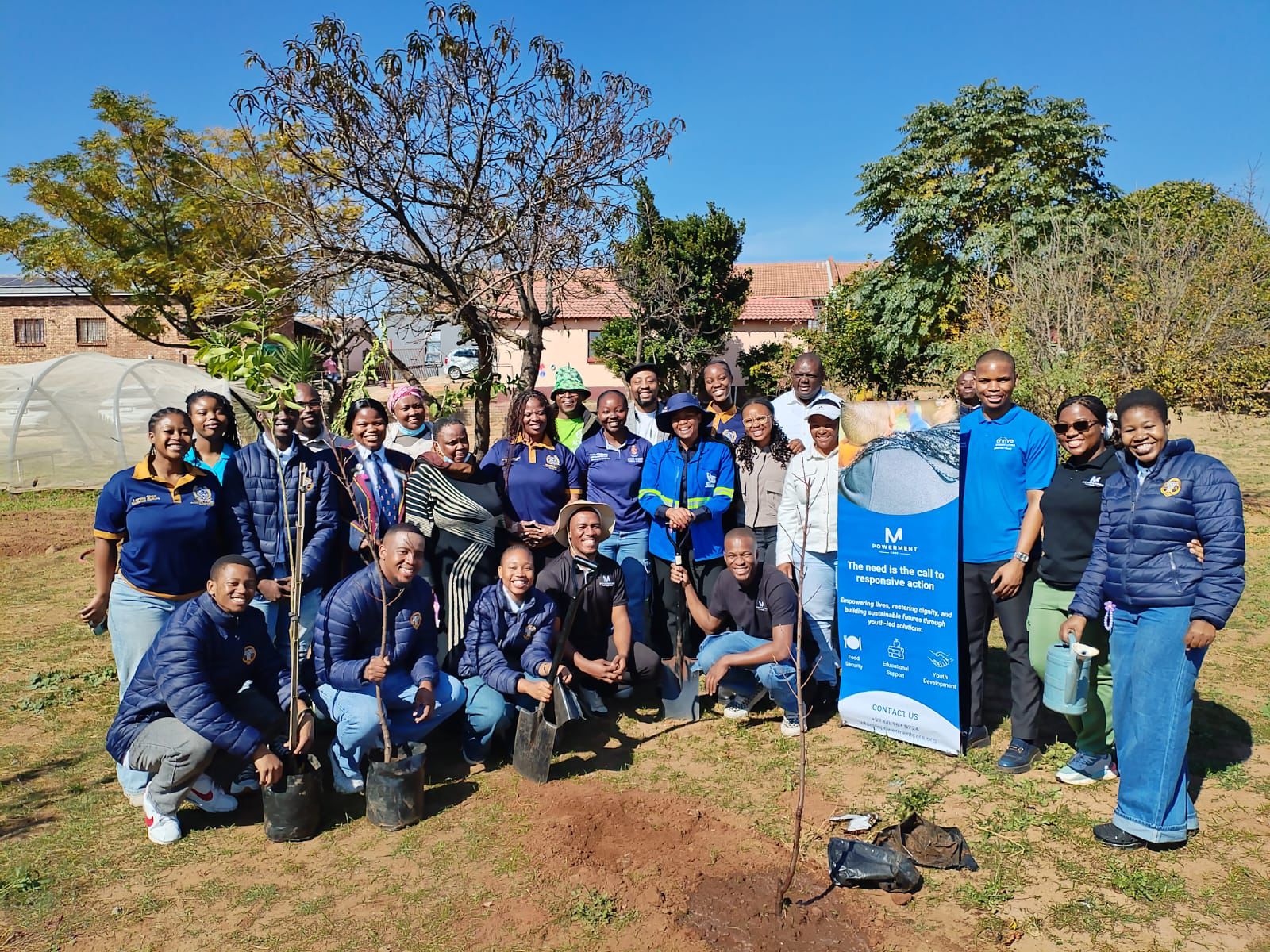
The City of Tshwane has launched a tree-planting drive in Saulsville and supported the conversion of a former illegal dumpsite in Hatfield into an urban farming hub, as part of efforts to restore the environment and ensure food security.
Executive Mayor Dr Nasiphi Moya and Deputy Executive Mayor and Finance MMC Cllr Eugene Modise led a tree-planting event at Leamogetswe Safety Home on 28 May 2026 under the City’s U20 Legacy Programme.
The initiative forms part of broader attempts to address illegal dumping, promote greener neighbourhoods and encourage community-based food production.
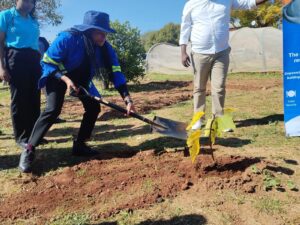
During the visit, Dr Moya also toured the Moja Gabedi Community Engagement Hub in Hatfield, where a previously neglected site has been repurposed into an urban farming and development space through collaboration between the City, universities, students and local stakeholders.
While City officials described the projects as part of ongoing sustainability efforts, residents said the real test will be whether the initiatives are maintained and expanded.
Saulsville resident Sanele Msimanga said reclaiming open spaces could help restore community pride.
“For years, we have seen open spaces being turned into dumping areas. Seeing trees being planted and food gardens being developed gives people hope and encourages young people to care about the environment,” he said.
Phumolo Molokome from Atteridgeville said urban farming could offer relief to struggling households.
“Food prices are high, and many people are unemployed. If communities are taught how to grow food and maintain gardens, it can really help families survive,” she said.
Hatfield resident and university student Babalwa Madolo welcomed the partnership approach but stressed the importance of long-term support.
“It is inspiring to see young people involved in transforming spaces that were once dirty and unsafe. It also shows that environmental projects can create community pride,” she said.
It remains unclear how many similar projects are planned across Tshwane, what budget has been allocated, and what measures are in place to ensure the sites remain functional beyond the initial launch phase.
Attempts to obtain further details from the City regarding long-term sustainability plans were unsuccessful at the time of publication.